Booking a space for a business event is rarely as simple as finding four walls and enough chairs. The room you choose shapes how people feel from the moment they walk in, how well they concentrate during the day, and whether they remember your event for the right reasons. Anyone searching for the best conference venues London has to offer will quickly discover that the market is huge, the choices are varied, and the difference between an average day and a memorable one often comes down to a handful of practical details.
This guide walks through what makes a great conference venue, covering what to look for, the questions worth asking before you sign anything, and how location, facilities, and support on the day all play a part in getting it right.
Why the right conference venue matters more than you think
The events sector is bigger than most people realise. According to the UKEVENTS UK Events Report 2025, the UK events industry is now worth £68.7 billion, supporting around 775,000 jobs and generating tens of millions of attendances annually. The UK Conference and Meetings Survey 2026 reveals that conferences and business meetings are the single most valuable part of that market, generating an estimated £22.5 billion. With so many venues now competing for delegates’ attention, a space that stands out can make a real difference to how an event is perceived.
Put simply, a conference is a shop window for a business. A dull, cramped, or poorly equipped room can undercut even the strongest agenda, while a well-chosen space can lift an ordinary meeting into something people remember and talk about afterwards.
How to choose a conference venue
Conference venue checklist
A simple conference venue checklist can save hours of back-and-forth with sales teams. Before booking, it’s worth confirming:
- Delegate capacity for the main room and any breakout spaces
- Layout options for theatre, boardroom, or cabaret seating
- Audio-visual (AV) equipment and technical support included in the hire
- Natural daylight and air conditioning or ventilation
- Catering options, including dietary requirements
- Accessibility, step-free access, and lift availability
- Parking, public transport links, and distance from the nearest station
- Wi-Fi speed and reliability for hybrid or livestreamed sessions
- On-site support from an event manager throughout the day
- Cancellation terms and flexibility around numbers
Working through this list early prevents surprises later, particularly around technical capability and accessibility, which are easy to overlook until the day itself.
Conference venue features that make a difference
Beyond the basics, certain conference venue features consistently come up in feedback from event organisers as the things that separate a good day from a forgettable one. Flexible room layouts that can be reconfigured between sessions, dedicated breakout areas for workshops, reliable high-speed internet, and comfortable seating for long sessions all rank highly. So does having a venue that feels distinctive rather than generic, since a memorable setting gives delegates something to talk about beyond the agenda itself.
What capacity do I need for my conference?
Working out what capacity you need for your conference is one of the first practical steps in planning. It’s tempting to book the biggest room available, but a space that’s too large can feel empty and flat, while one that’s too small feels cramped and uncomfortable. A general rule is to allow enough room for delegates to move between seating and refreshment areas without congestion, plus extra space for registration desks, exhibition stands, or breakout tables if these are part of the day. Many organisers plan capacity around the busiest single session, then check that breakout rooms can comfortably handle smaller groups splitting off for workshops.
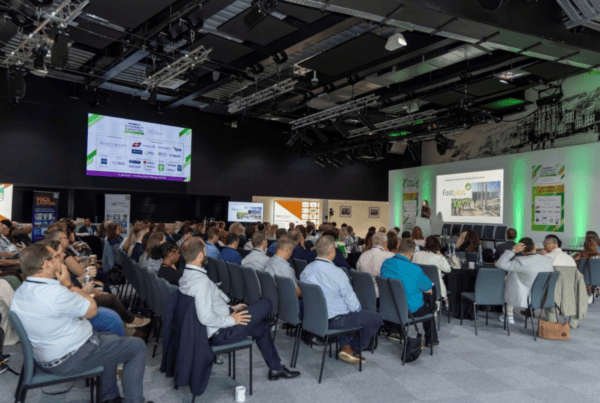
If your event requires a large presentation followed by smaller breakout sessions, consider using the England Suite or Ashes Suite for the main conference programme. Delegates can then move into smaller rooms such as the Pakistan Room or Executive Boxes, which provide versatile breakout spaces that can be selected according to the size and format of each group.
What AV facilities should a conference venue have?
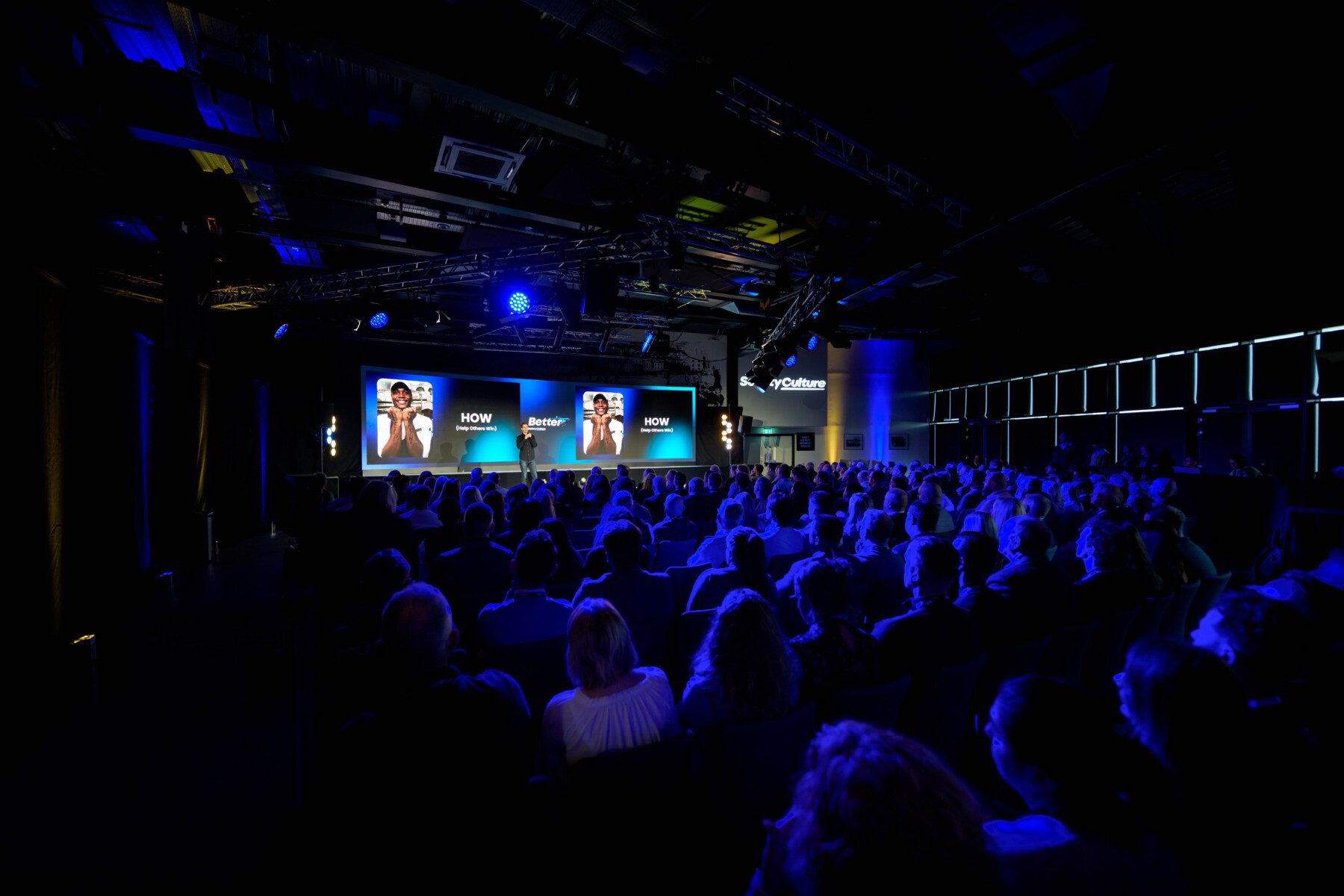
Technology failures are one of the most common complaints from conference attendees, so it’s worth asking in advance what AV facilities a conference venue should have as standard. At a minimum, look for a good quality projector or large screen, a reliable microphone and speaker setup, a lectern with presentation controls, and strong, dedicated Wi-Fi that can handle dozens of connected devices at once. For hybrid events, confirm whether live-streaming equipment and technical staff are included, since audience-side technical hiccups tend to reflect badly on the organiser rather than the venue.
Explore the AV facilities and packages available for conferences at the Kia Oval.
Do conference venues need natural light?
It’s a question that comes up often. While it isn’t a strict requirement, research into workplace environments consistently links daylight exposure to better concentration, mood, and energy levels across long sessions. A room with windows or a view helps delegates stay alert during afternoon slumps, and it also makes breaks feel more refreshing. Venues that combine natural light with blackout options for presentations tend to offer the best of both worlds.
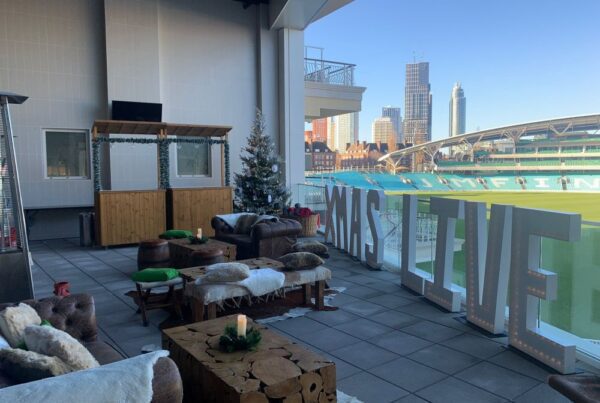
The pitch-facing conference rooms at the Kia Oval benefit from an abundance of natural light, with the India Room, the Graham Thorpe Room, and the Duchy Suite standing out as some of the brightest spaces.

Location matters: London’s best conference venues
Location shapes attendance, cost of travel, and overall impression just as much as the room itself. Anyone comparing the best conference venues London has on offer will notice that central locations near major stations tend to command the most attention, but there’s growing interest in top conference venues in south London too, particularly among organisers looking for something with more character, better transport links to Zone 2 and 3, and a calmer setting away from the busiest parts of the city centre.
South London has built a reputation among event planners for combining good transport connections with venues that offer more space and a different atmosphere to the glass-and-steel meeting rooms found in the City or Canary Wharf.
Historic venues bring something a hotel meeting room can’t
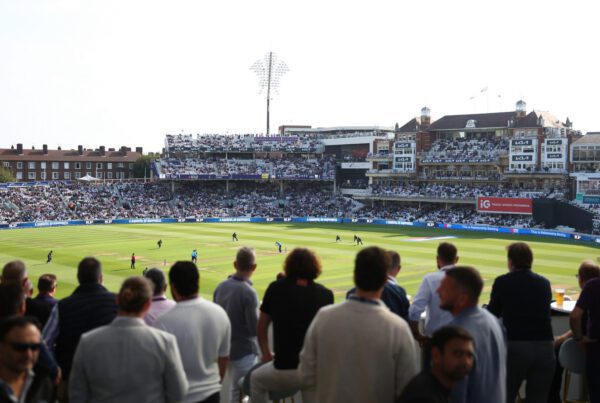
There’s a particular appeal to booking a historic conference venue London can be proud of, rather than a standard function room. Heritage buildings carry a sense of occasion, and delegates often respond well to meeting somewhere with a story behind it. The Kia Oval, home to Surrey County Cricket Club since 1845, is one example of this kind of setting, offering conference and meeting rooms inside a ground with well over a century and a half of sporting history, alongside modern facilities suited to business events.
What makes a sporting venue good for a conference?
Sporting grounds often have large, flexible function suites originally designed to host hundreds of guests on match days, making them perfect for hosting a corporate event as they can comfortably scale between small meetings and much larger gatherings. Many also offer pitch-view rooms, natural light, and easy access from major roads and rail links, all of which tick boxes on a typical conference venue checklist. The atmosphere of a well-known ground can also give an otherwise routine meeting a lift, simply by being somewhere memorable.

How far in advance should I book a conference venue in London?
Timing is often underestimated. So, how far in advance should you book a conference venue in London if you want the best choice of dates and rooms? As a general guide, popular venues in central and south London are often booked three to six months ahead for mid-sized events, and closer to a year ahead for larger conferences or dates that clash with major public holidays or sporting fixtures. Smaller meetings can sometimes be arranged with just a few weeks’ notice, but leaving plenty of time gives far more flexibility over room choice, catering, and AV arrangements.
Why a conference venue with event manager support is worth seeking out
However well a day is planned on paper, things change on the ground, timings slip, numbers shift, and technical issues appear out of nowhere. This is why booking a conference venue with event manager support built into the package tends to reduce stress considerably. Having a single point of contact who understands the building, the technology, and the catering means problems get solved quickly rather than escalating. Venues such as Kia Oval Events structure their conference offering around dedicated on-site coordinators, which reflects a wider industry shift towards treating event management support as a core part of the booking rather than an optional extra.
Bringing the decision together
Choosing where to hold a conference involves balancing practical needs, such as capacity, AV facilities, and transport links, against the less measurable qualities of atmosphere and memorability. A useful approach is to work through a conference venue checklist early, be clear about numbers and technical requirements, and weigh up whether a familiar hotel setting or a more distinctive space, such as a historic ground, better suits the tone of the event. Whatever the final choice, the venues that consistently earn repeat bookings are the ones that get the fundamentals right first: comfortable capacity, dependable technology, good light, easy access, and a team on hand to keep the day running smoothly.
Ready to book a venue for your next conference? Explore the iconic rooms at the Kia Oval and get in touch with our team today.