Arnold Long, Surrey’s wicketkeeper for a generation in the 1960s and 1970s, died aged 85 on New Year’s Day. He later led Sussex to the Gillette Cup and then returned to The Oval as chairman of the cricket committee.
Richard Spiller pays tribute to a fine player and man.
Neat and unobtrusive, Arnold Long was a sterling presence from the moment he became Surrey’s first-choice wicketkeeper in 1962.
That first full season – his first-class debut had come two years earlier – saw him succeeding the mercurial Roy Swetman, his 74 catches and 91 dismissals setting a record for the county. The man known as “Ob”, unflashy and teetotal, would be a fixture for more than a decade.
Long’s fitness and concentration were exemplary and his reading of the game could be a considerable help to both captains and bowlers, or at least “those who wanted to listen” as he would say with the glimmer of a smile in his understated way.
Rebuilding from the glory days of the 1950s was the job for Surrey in the following decade under Micky Stewart, their first chance of a trophy coming in 1965 only to be heavily beaten by Yorkshire in the 1965 Gillette Cup final. They finally made it six years later in 1971, Cheam-born Long’s benefit year, by winning the County Championship. Long was tested by not only the variety of the attack – the fast but sometimes wayward young paceman Bob Willis, seamers led by Geoff Arnold and Robin Jackman, off-spinner Pat Pocock, leg-spinner Intikhab Alam and slow left-armer Chris Waller.
Just as testing was working out how far back to stand – such were the dead pitches at that time at The Oval, which made bowling teams out twice difficult, that Long would need to get much closer to the stumps to avoid catches falling short.
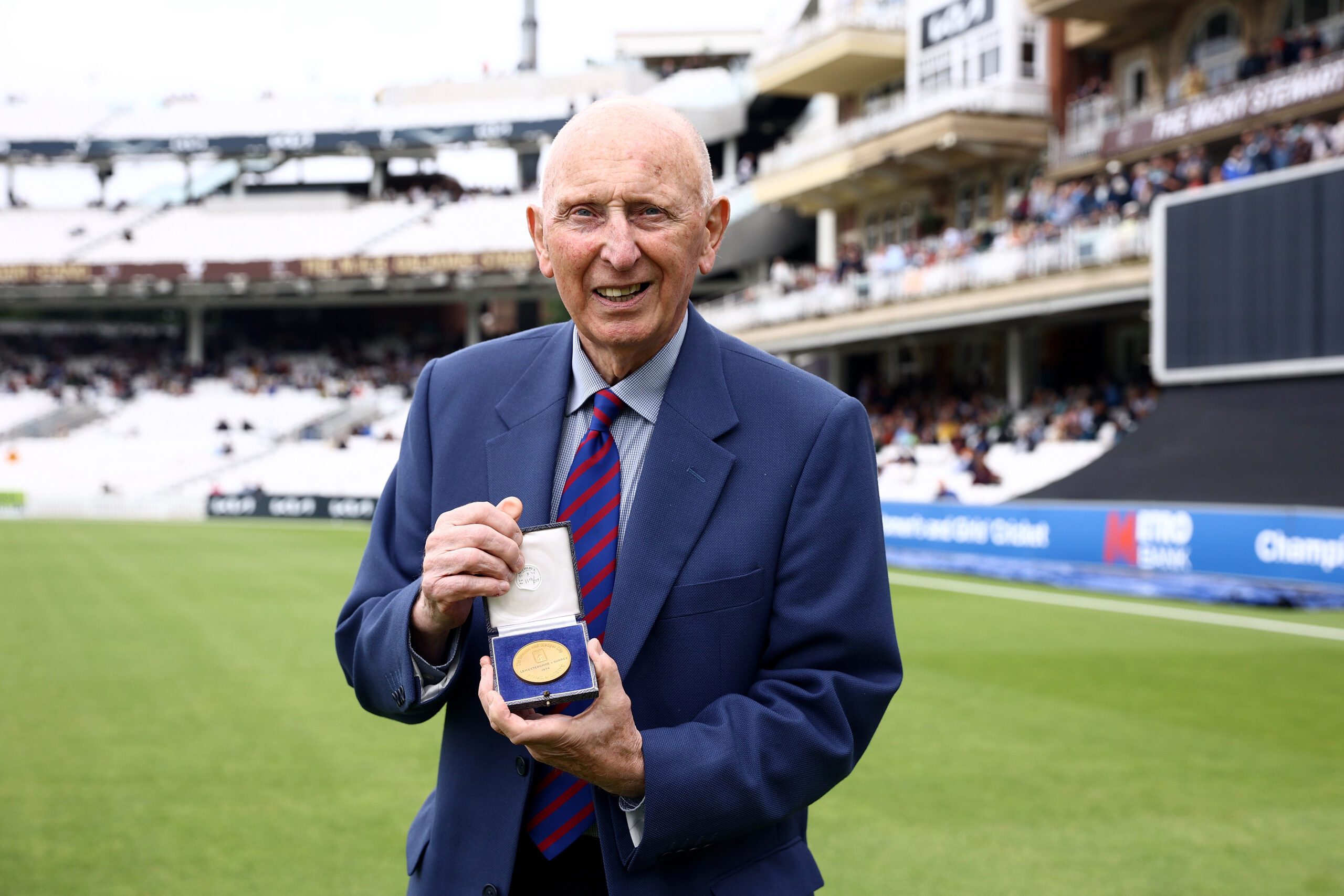
By now the senior professional, he was also in the Surrey side which won the Benson & Hedges Cup three years later, gaining an unwanted place in history by becoming the final victim of a Ken Higgs hat-trick as they were bowled out for 170. But they fashioned an unlikely victory – by 27 runs – in dismissing Leicestershire for 143 on a surface offering negligible bounce. Long took a typically smart stumping to remove Graham McKenzie along the way.
Yet within a year he had left Surrey, dropped early in 1975 after being identified – wrongly – as the focus of opposition to skipper John Edrich in an unhappy dressing room.
His 352 first-class matches – there were 804 in all formats – had produced 703 catches and 103 stumpings. Also capable of handy contributions down the order, his glovemanship earned him a place among Surrey’s long line of fine keepers which take in the likes of Herbert Strudwick and Ben Foakes.
Long was snapped up by Sussex and from the following summer his skills were put to good use at Hove. When Tony Greig, having been sacked as England captain for his role in the Packer Affair, was also deposed as Sussex captain in 1978, Long was left to sift through the wreckage of a club in turmoil.
The county made a horrendous start to the season but Long, with typically quiet determination and helped by former Surrey colleagues Geoff Arnold and Stewart Storey, led a revival that culminated at the end of that season in producing one of the great one-day shocks in English cricket. Unfancied barely began to describe his side as they came up against a Somerset team including Ian Botham, Viv Richards and Joel Garner in the Gillette Cup final at Lord’s.
But they won by five wickets, Long having devised a way to keep Richards quiet, and Somerset would have to wait another year for their first trophy.
He played for another two years – making 97 first-class appearances for Sussex altogether – before handing over to John Barclay a highly promising side which came within two points of winning the County Championship in 1981.
An insurance broker, Long built up his own business while enjoying family life – he and Barbara had three children – masonic work and golf.
He was not finished with cricket, though, and took over from Jimmy Fulford as chairman of Surrey’s cricket committee in 1991. It was a job for which he was well suited, understanding not only the game but human nature and soon having to use his negotiating skills to bale out a new signing whose creditors had followed him from his old club. Being a season ticket holder at Chelsea ensured he had plenty in common with county skipper Alec Stewart.
Dealing with internal club politics was a stern task and Long found himself out of sympathy with the club hierarchy, who he felt wanted too great an involvement with the running of the professional side. It was a battle he was bound to lose as he found when the cricket committee was abolished in a restructuring, Long speaking out strongly but in vain at a special general meeting.
Eventually that decision was reversed and Long was a member of the newly reconstituted cricket committee although his relationship with those in power was often distant and sometimes frosty.
But even if he watched from afar, only occasionally visiting the Kia Oval, he always cared passionately for Surrey and always had a pertinent observation to make in that quiet and succinct way which characterised his enormous contribution on and off the field.