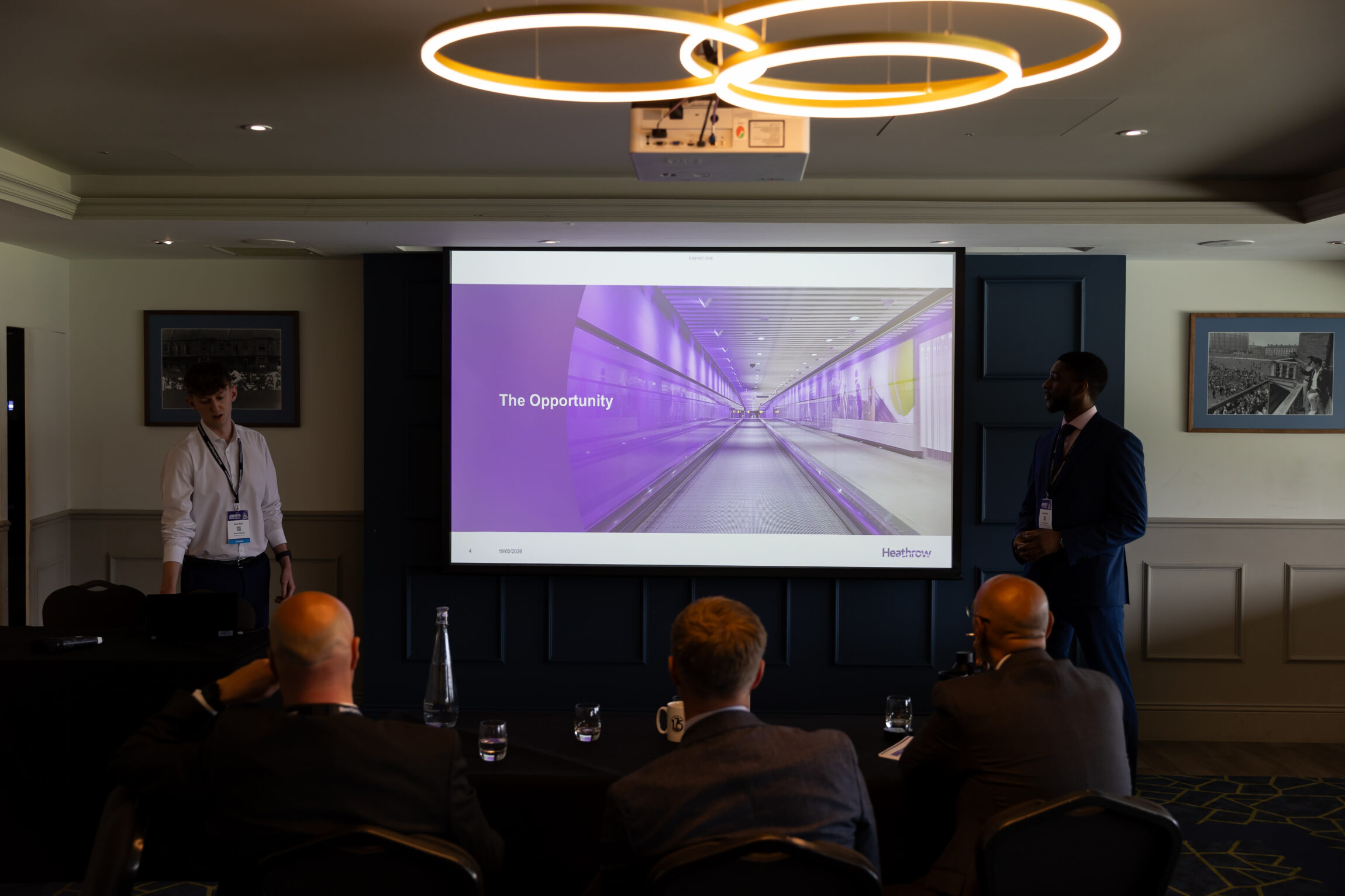
A strong breakout space gives people room to think, talk and take part. It turns a large event into a more personal experience, where guests can ask questions, solve problems and meet new people.
If you are researching how to design a breakout space, begin with the activity. Decide what people need to achieve, how many voices should be heard and what they must take back to the main event. These decisions will guide the room, seating, technology and timing.
Define the purpose before choosing the room
A breakout can support discussion, training, networking or quiet reflection. Each aim requires a different atmosphere. Write one outcome for every session and share it with the event organiser. A clear outcome helps guests understand why they are there.
Effective breakout session planning also connects each smaller session to the wider programme. Explain what happened before the breakout and how the results will be used afterwards. Guests are more willing to contribute when their input has a visible purpose.
Match the group to the task
Small groups can give each person more time to speak, while larger groups may produce a wider range of views. Choose the group size according to the task and the available time. If a session needs a decision, keep the discussion focused. If it needs many ideas, allow movement and quick sharing.
Useful breakout room ideas include table discussions, peer coaching, Q&A sessions and short problem-solving challenges. Keep the instructions simple and show the expected output, such as three recommendations or one agreed action.
Choose a venue with connected spaces
The main room and breakout areas should work as one journey. Check walking time, lifts, accessible routes, signs and nearby refreshments. Long or confusing routes reduce useful session time and can leave guests arriving stressed.

When comparing flexible meeting spaces in London, look beyond the main hall. Ask whether smaller rooms are nearby, whether groups can move without crossing busy service routes and whether the venue can support last-minute agenda changes.
Visit with the guest journey in mind
Walk from registration to the main room and then to every breakout area. Time the route and note each decision point. Check natural light, background noise, temperature, power and Wi-Fi. For corporate meeting breakout spaces, also confirm where confidential conversations can take place.
Use layouts that support participation
Arrange the room around the work people will do. A circle supports open discussion. Small tables suit group tasks. Standing areas can add energy for short activities, while a quiet edge gives guests space to pause.
Creative conference room layouts should make it easy to see, hear and contribute. Avoid placing some guests behind screens, pillars or other people. Keep routes clear and make sure everyone can reach a seat without moving the whole group.
Create a clear focal point
A collaborative meeting room still needs direction. Place the facilitator, main screen or shared task where everyone can see it. Put instructions in one clear location and remove visual clutter that competes for attention.
The room should show guests what to do next without requiring a long explanation.
Design for collaboration, not passive listening
Collaborative event spaces work best when guests create something together. Replace long presentations with a short prompt and enough time for conversation. Give every group a clear role and a simple way to report back.
Help every voice enter the room
Do not assume confident speakers will create a balanced discussion. Start with silent thinking, then pairs, then a wider group. Use written prompts or digital responses for people who need more time.
These methods make a collaborative meeting room more inclusive and can improve the quality of ideas. They are also useful for hybrid groups, where remote guests can easily be overlooked.
Make comfort part of the plan
People find it hard to contribute when they are too warm, cannot hear or have nowhere to place a laptop or notebook. Check seating comfort, fresh air, temperature and access to water. Schedule a reset between sessions so the room feels ready for the next group.
Good conference breakout room ideas consider energy across the day. Morning sessions may suit detailed work, while later sessions often benefit from movement, shorter tasks and more interaction. Keep each activity focused and vary the pace.
Support access and different needs
Provide suitable seating positions, hearing support where available and captioned digital content. Offer a quiet option for guests who need lower sensory demand. Share access information before the event so people can plan with confidence.
For corporate meeting breakout spaces, organisers should state whether discussions are confidential and explain how notes will be used, and let people pass on an activity if needed.
Plan technology around the task
Use technology only when it makes the session easier. A shared screen can display the question and remaining time. A digital whiteboard can collect ideas from several groups. A simple polling tool can identify priorities quickly.


Test sound, presentation files and online links before the room opens. Keep a low-tech backup, such as printed prompts and note cards. Strong breakout session planning protects the activity even if a device or connection fails.
Give facilitators a simple structure
Every facilitator should know the outcome, timing, group task and reporting method. Provide a short brief rather than a long script. Include key names, accessibility notes, room contacts and what to do if the session runs late.
A useful session pattern is context, question, activity, reflection and action. Guests need to know when to listen, discuss, move and record ideas.
Keep timing visible
Show the remaining time and give a warning before each transition. Do not let reporting take over the whole session. Ask each group for one insight or action, then collect fuller notes afterwards.
Well-paced breakout room ideas protect time for conversation. If the event has several sessions, use a common structure so guests understand the rhythm while the subject changes.
Build choice into the programme
Choice helps guests find relevant content and manage their energy. Offer sessions with varied outcomes rather than several options that sound the same. Describe who each session is for, what it covers and what guests will leave with.
Avoid overcrowding popular sessions
Ask guests to select sessions during registration, then monitor demand. Keep a waitlist and prepare an alternative room if possible.
When reviewing flexible meeting spaces in London, ask how the venue handles changing group numbers. Nearby rooms and adaptable schedules can protect the guest experience when one topic attracts more interest than expected.
Connect breakout to the main event
A breakout should not feel like a separate meeting. Use the same event message, explain how the task links to the main theme and bring key findings back to the wider audience. A short summary screen or host recap can show that the work mattered.


Plan the transition
Allow realistic travel time between rooms. Use clear signs and station staff at busy points. If refreshments are part of the move, place them where queues will not block the route. Good flow is one of the most practical breakout space ideas.
Design for hybrid participation
Hybrid breakouts need equal attention for guests in the room and online. Give remote participants a clear way to speak, contribute notes and see shared work. Name a host who monitors the online conversation while the facilitator leads the room.
Choose creative conference room layouts that keep cameras, microphones and screens connected to the group. Avoid a setup where remote guests see only the backs of people’s heads. Repeat audience questions before answers so everyone can follow. Test several creative conference room layouts before the event and choose the one that gives every participant a clear view and equal chance to contribute.
Reduce digital friction
Send access links early, use one familiar platform and display simple joining instructions. Test permissions and sound with an external user. If online guests join only for the breakout, welcome them and explain the task before discussion begins.
Hybrid conference breakout room ideas should include a shared output that everyone can access. A common document, poll or digital board helps the group leave with a single shared record rather than separate online and in-room notes.
Review what worked
Ask guests whether the session felt relevant, easy to join and useful. Check if they could hear, contribute and understand the next step. Review attendance, drop-off, activity completion and the quality of reported actions.
Speak with facilitators and venue staff while details are fresh. Note where movement slowed, where technology caused friction and which rooms supported conversation best. Use this evidence to improve the next round of breakout session planning.
A practical final check
Before guests arrive, confirm the purpose, room, route, access, seating, technology, timing, and reporting method. Walk every route and test every link. Make sure the room reflects the activity rather than forcing the activity to fit the room.
The strongest breakout space ideas are often simple: a clear question, a comfortable setting and a useful outcome. Well-planned corporate meeting breakout spaces help teams turn talk into action.
When comparing flexible meeting spaces in London or preparing your own venue, focus on the people who will use the room. A practical collaborative meeting room, thoughtful collaborative event spaces and clear breakout room ideas can make the whole event feel more valuable.
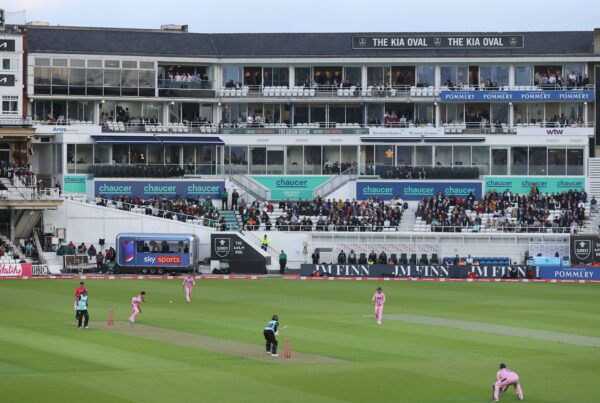
Explore the Kia Oval’s meeting rooms and spaces for hire to start planning a setup around your group’s needs.