Strong event branding gives an event a clear identity. It helps people recognise the event and understand its purpose. The work starts long before guests arrive and continues through invitations, registration, the venue experience, digital content and follow-up messages.
Good branding is not simply a logo placed everywhere. It is a connected system of words, colours, images and signs. Whether you are planning a conference, celebration or trade show, this guide explains how to brand an event in a way that is useful and memorable.
Start With a Clear Brand Idea


Write one sentence that describes what the event should mean to guests. It may focus on progress, connection, learning or community. This sentence becomes the test for later decisions. If an idea does not support the promise, remove it.
Next, define the audience. Consider what guests already know, why they are attending and what action you want them to take. Strong corporate event branding feels relevant to the people in the room rather than copied from a wider campaign. For help with the wider planning process, explore our guide to how to host a corporate event.
Create a Simple Message Structure
Choose one main message and three supporting points. Use the main message on the invitation and welcome screen. Use the supporting points across sessions, displays and follow-up content. This approach keeps brand marketing events focused and prevents confusion.
An effective event branding checklist should record the event purpose, tone, approved logo files, colour references, key contacts and sign-off dates. A shared checklist helps every supplier work from the same plan.
Build a Consistent Visual System
Set clear rules for logo use, colour, imagery, icons and text. Keep them simple enough for busy teams to follow. Guests should feel that the website, badge, stage and follow-up email belong to the same event.
Useful event branding ideas include a bold event mark, a short theme line, a repeatable image treatment and a small group of graphic elements. Use them with restraint. Leave enough space so key information remains easy to read.
Design for Real Places and Screens
Review branding on a phone, laptop, presentation screen and venue sign. Check contrast, reading distance and lighting. A design that looks polished on a computer may be hard to read in a bright foyer or crowded hall.
Ask the venue team for accurate room information and visitor routes early.
Use Signage to Guide and Reassure Guests
Signs should help before they decorate. Map the guest journey from arrival to registration, the main room, breakout areas, food, toilets, lifts and exits. Place information before each decision point so people can act without stopping.
Practical event signage ideas include a clear welcome board, simple directional arrows, room identifiers and agenda displays. Use the same room names on signs, maps, emails and the event app. Consistent language reduces confusion.
Make Conference Signs Easy to Follow
Strong conference signage ideas put the destination first, followed by the direction and only essential detail. Use plain words, clear icons and strong contrast. Keep sponsor marks away from arrows and safety information so navigation remains the priority.
More conference signage ideas include “you are here” maps, colour-coded session tracks and confirmation signs after a turn. Review accessible routes and make sure digital information can be read with assistive technology.
Build a Theme That Feels Relevant
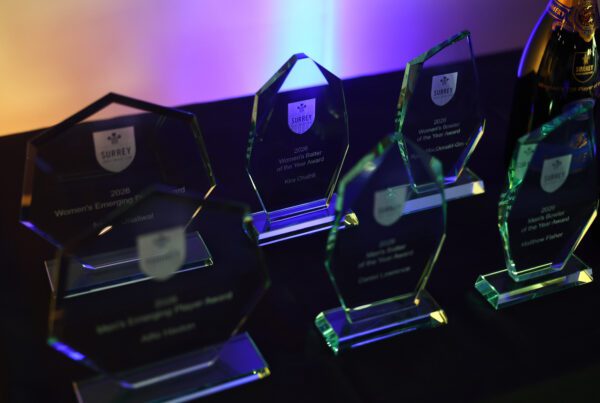
The best awards night themes reflect the organisation and the people being recognised. Start with a short idea such as progress, community, or future talent. Then carry it through the invitation, host script, music, table names, and winner stories.
Avoid a theme that needs a long explanation. Guests should understand it within seconds.
Plan Branding for Exhibitions and stands
Exhibition branding must communicate quickly. A visitor should understand who you are, what you offer and why it matters within a few seconds.
Effective exhibition stand branding connects the stand with the wider campaign. Repeat the same promise in pre-event emails, staff talking points, presentation content and post-event follow-up. This creates recognition and makes the conversation easier to continue.

Make the Booth Feel Active
Good booth branding supports a human interaction. Give visitors a clear reason to stop, such as a demonstration, short question or useful takeaway. Keep the main message visible even when the space is busy.
For teams researching how to make branding stand out at an event, the answer is not more clutter. Use one strong message, confident contrast and a simple focal point. Memorable booth branding makes the next step obvious.
Successful exhibition branding also considers staff. Brief everyone on the event message, likely visitor questions and the desired follow-up. Clothing or name badges can support recognition.
Connect the Venue with the Brand Story
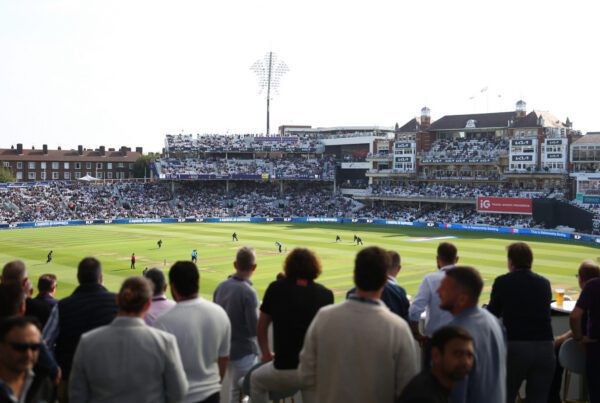
A venue influences first impressions. Its history, architecture, views and surrounding area can support the event idea. When selecting a location, ask what guests will see on arrival, where branded moments will have the most value and which existing features should remain visible. If you are planning a conference, our guide to what makes a great conference venue can help you assess the practical details alongside the setting.


Work With the Venue Team Early
Share your brand guide, guest route and content schedule with the venue team early. Check screen formats, signage options and accessibility requirements so everything can be designed with the space in mind.
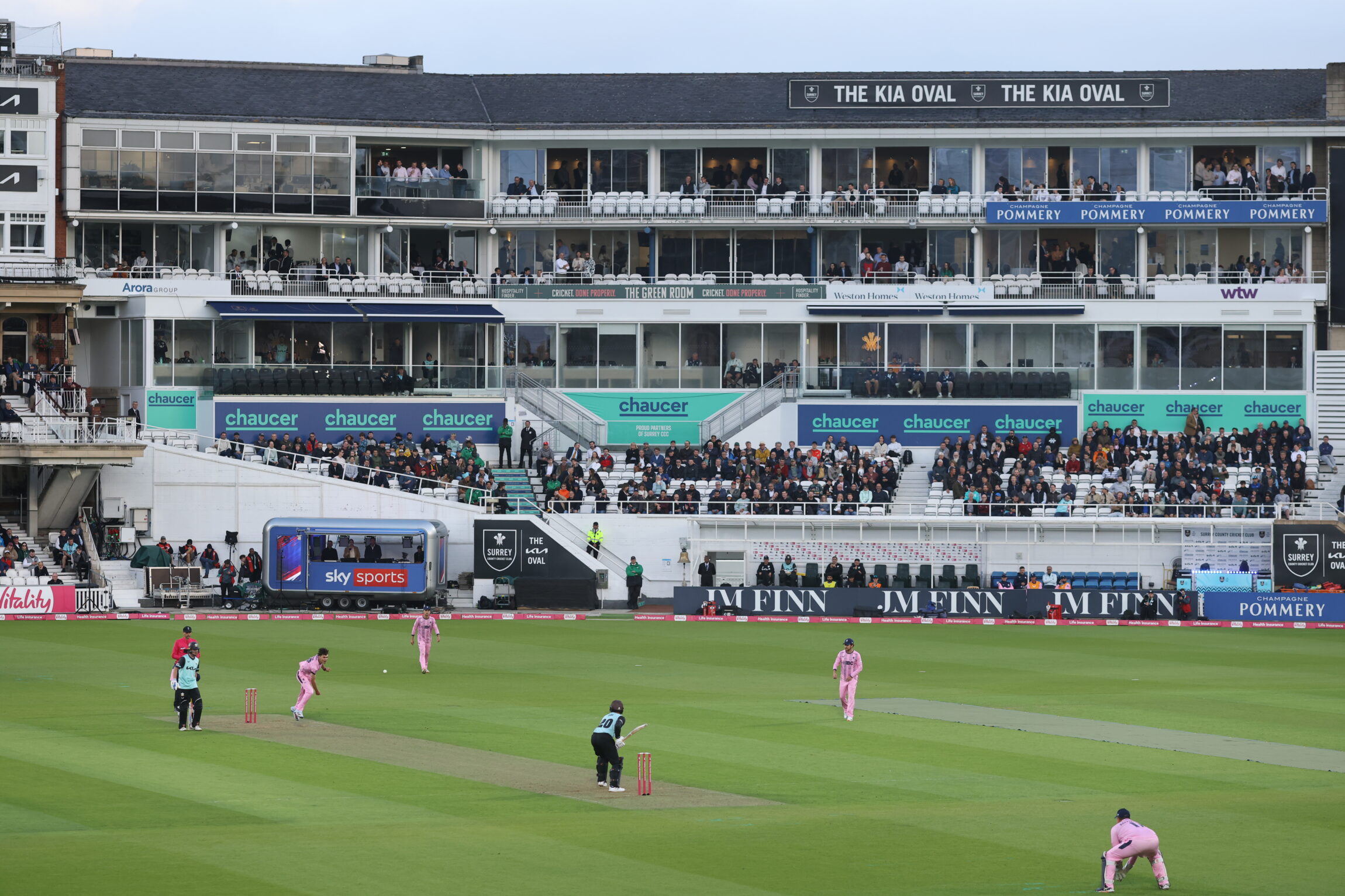
At the Kia Oval, our in-house AV team, Encore, can support with branded screen content, presentations and lighting to reflect your event’s identity. Speak to our team about your ideas so we can explore what will work best in your chosen spaces.
Turning Branding into Participation
People remember what they do, not only what they see. Build the brand into questions, workshops, networking prompts and live content. Participation should help guests connect with the event purpose rather than distract from it.
Create Content Guests Want to Share
Prepare short prompts, clear social labels and photo moments that feel natural. Give speakers simple branded slides and provide partners with approved assets. Do not force every post to repeat the same line.
Strong brand marketing events create useful content before, during and after the event. Preview the people and questions that matter and capture real guest reactions. This extends the event without making the content feel like an advert.


Keep Accessibility and Sustainability Visible
Accessible branding is clearer for everyone. Use readable text, captions for video, descriptive links and plain language. Do not rely on colour alone to explain a route or session. Include access information in registration messages and venue maps.
Consider materials as part of the event branding checklist. Choose reusable or digital assets, avoid unnecessary print and record what can be used again. Sustainable choices should be specific and honest rather than broad claims.
Protect Clarity When Plans Change
Name one person who can confirm updates. If a room changes, update the sign, map, app and staff briefing together. Clear control protects event branding when time is limited.
Measure Whether the Brand Worked
Decide what to measure before the event. Useful signals include registrations, attendance, session participation, qualified conversations and post-event actions. Link each measure to the original goal.
Clear goals and connected data help brand marketing events show value beyond attendance.
Ask Simple Questions
Send a short survey after the event. Ask guests what they remember, how the event felt and what they plan to do next. Compare their answers with the main message. If people recall the decoration but not the purpose, the branding needs sharper focus.
For exhibition stand branding, review visitor flow, meaningful conversations, content scans and follow-up response. For corporate event branding, also assess staff participation, message understanding and internal feedback.
Use a Practical Event Branding Checklist
Add event signage ideas to the checklist by location: arrival, registration, junctions, rooms, food areas and departure. Add an owner and deadline beside every item. This turns how to brand an event from a broad question into a manageable plan.
Final Checks Before Guests Arrive
Walk the guest route as if you have never seen the venue. Check every message from the distance where it will be read. Review conference signage ideas at busy decision points and confirm that exhibition stand branding remains clear when people are present.
Test digital content on the real screens, proof names and links, and brief staff on the main message. Check that booth branding, stage content and follow-up assets all use the same core idea.
Make the Brand Memorable for the Right Reason

If you are still asking how to make branding stand out at an event, return to the guest. Make their route easier, the message clearer and participation more rewarding. The strongest branding earns attention by being useful.
Effective event branding connects strategy with experience. Strong exhibition branding communicates quickly. Thoughtful corporate event branding reflects the organisation while respecting the audience. When every touchpoint supports one clear idea, guests are more likely to remember the event.
Ready to book a venue for your next event? Explore the iconic rooms at the Kia Oval and get in touch with our team today.