Putting together a business gathering, whether it’s a product launch, an annual conference, or a small client dinner, can feel like a lot more work than it first appears. Dates need to be locked in, a room has to be found, catering has to be arranged, and someone has to keep track of it all. This guide breaks down how to host a corporate event from the first idea through to the day itself, with practical steps anyone can follow whether they’ve organised dozens of events or none at all.
Why corporate events still matter
Face-to-face business gatherings have proven remarkably resilient. According to the UKEVENTS Report 2025, the UK events sector is now worth around £68.7 billion a year, supporting roughly 775,000 jobs. Conferences and meetings make up the single largest slice of that figure, contributing close to £20 billion, according to industry statistics compiled by Quadrant2Design. With so much choice now available to organisers, businesses that put a little extra thought into planning and venue selection tend to stand out from the crowd.
For any business, a well-run event is a chance to build relationships, launch ideas, and leave a lasting impression, so it’s worth treating the planning process with the same care as any other important project.
How to plan a corporate event
Learning how to plan a corporate event usually starts with three simple questions: what is the purpose of the day, who needs to be there, and what result counts as success. Once these are settled, everything else, from budget to venue to catering, becomes far easier to decide.
A useful corporate event planning guide should cover four broad stages: setting objectives, choosing a date and venue, arranging suppliers and content, and confirming logistics in the final week. Treating the process as a series of stages rather than one overwhelming task makes it much more manageable, particularly for anyone doing this for the first time.
A corporate event checklist worth following
A simple corporate event checklist can keep the whole project on track from the outset:
- Clear objective and target outcome for the day
- Estimated guest numbers and confirmed attendee list
- Venue booked, with room capacity and room layouts confirmed
- Catering arranged, including dietary requirements
- Audio-visual equipment and technical support confirmed
- Speakers, agenda, and running order finalised
- Transport and parking information shared with guests
- Registration or sign-in process agreed
- Contingency plan for late changes or no-shows
- Post-event feedback or follow-up communication planned
A corporate event planning checklist for the final week
As the date approaches, a tighter corporate event planning checklist helps avoid last-minute panic. In the final week, confirm final numbers with the venue, reconfirm catering quantities, test all AV equipment on site if possible, brief anyone speaking or presenting, and share a clear run sheet with everyone involved on the day. Small details, such as confirming Wi-Fi passwords or lift access for guests with mobility needs, are easy to overlook but make a noticeable difference to how smoothly the day runs.

What to consider when hosting a corporate event
There’s more to think about than dates and catering. Hosting a corporate event also includes considering the practical and the less obvious: accessibility for all guests, backup plans for technical failures, dietary requirements, quiet spaces for calls or breaks, and how attendees will travel to and from the venue. Weather, public transport disruption, and clashing events in the same city are all worth checking in advance, particularly for gatherings in busy areas.
It’s also worth thinking about pace. Long, unbroken agendas tend to lose an audience’s attention after roughly ninety minutes, so building in short breaks, refreshments, and a change of scenery between sessions keeps energy levels higher throughout the day.
How to organise a corporate event step by step
Once the groundwork is done, learning how to organise a corporate event comes down to sequencing. Start by confirming the date and venue together, since popular spaces get booked up quickly. Next, lock in catering and any external suppliers such as photographers or AV technicians. Then build the guest list and send invitations with plenty of notice. Finally, confirm the running order and assign clear responsibilities so that on the day itself, one person isn’t trying to manage everything alone.
Hosting a corporate event in London
Anyone hosting a corporate event in London quickly discovers just how much choice is available, from traditional hotel function rooms to more distinctive spaces with their own character and history. London’s business events sector remains one of the largest in the country, drawing both domestic and international attendees, which means popular venues and dates can fill up well ahead of time. Choosing a location with strong transport links, whether that’s proximity to a mainline station or easy road access, tends to make the biggest practical difference to attendance and timekeeping.
Some organisers are also drawn to venues slightly outside the traditional business districts, where space, natural light, and a change of atmosphere can make an event feel less routine, without adding significant travel time for guests coming from across the city.
How far in advance should I book a corporate event?
Timing is one of the most common questions organisers ask, and one that depends largely on size. As a general guide, small meetings can sometimes be arranged a few weeks ahead, while mid-sized gatherings typically need three to six months’ notice to secure a good choice of dates and rooms. Larger conferences, product launches, exhibitions or events planned around a specific date, such as an anniversary or awards evening, often benefit from booking six months to a year in advance, particularly if they clash with school holidays or major sporting fixtures in the same city.
Choosing where to host a corporate event
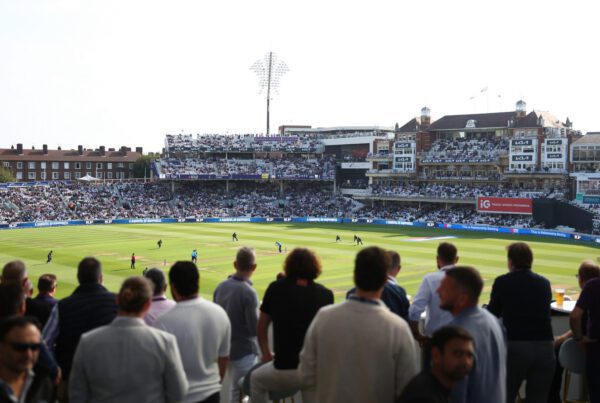
Where a business decides to host a corporate event says a great deal about the tone it wants to set. A generic hotel meeting room works well for a routine internal briefing, but for events meant to be memorable, such as team building days, client days, awards ceremonies, Christmas parties, or annual conferences, a venue steeped in character can lift the whole occasion. The Kia Oval, home of Surrey County Cricket Club, is one example of a venue that combines flexible event spaces with a strong sense of history, offering an alternative to the usual conference hotel setting for businesses in and around south London. Venues such as the Kia Oval also tend to offer dedicated on-site support, which takes some of the operational pressure off in-house teams during the event itself.

Pulling the whole corporate event plan together
Successfully running a business gathering comes down to careful groundwork rather than luck. Setting a clear objective, working through a business event planning checklist early, confirming the venue and catering with plenty of notice, and paying attention to the practical details that guests notice – transport, accessibility, and pacing – all combine to make the difference between an event people forget by the following week and one they mention months later. Whether it’s a small internal briefing or a full-scale conference, the businesses that plan earliest and check the details most thoroughly are consistently the ones whose events run the most smoothly.