It was a sporting year like no other in England, hosting football’s World Cup and winning it – for the only time, so far – under the leadership of Bobby Moore. Richard Spiller digs deeper into the summer of 1966 from Surrey’s perspective…
Surrey’s season
If the 1950s were a tale of glory – seven outright County Championship crowns, one shared and a near-miss – then the 1960s were about rebuilding.
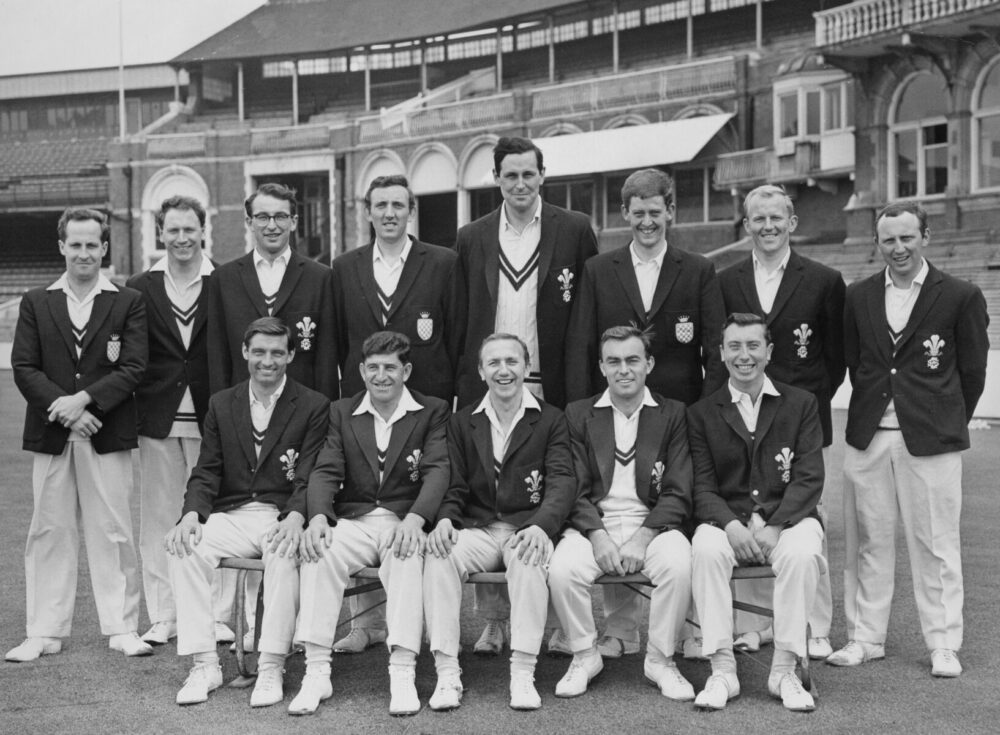
By 1966, almost all of the great Surridge/May team had retired, two of the youngest members – Micky Stewart and Ken Barrington – still playing and attempting to rediscover the magic formula.
Stewart had taken over as captain in 1963 and by reaching the Gillette Cup final in 1965, there was encouragement that a new team was coming together, despite being crushed by Yorkshire at Lord’s.
Was a trophy in the offing? Surrey were to be disappointed in 1966, a rise of just one place – eighth to seventh – and a quarter-final exit in the Gillette Cup, Roy Marshall’s sparkling innings ensuring Hampshire prevailed by seven wickets at Bournemouth.
“Injury, illness and loss of form by leading players bedevilled Surrey’s season,” reported Wisden in the following spring’s almanack, which looked back on a damp summer and one in which an experimental rule saw a limit of 65 overs on the first innings in a number of Championship matches.
Seamer David Gibson missed the whole campaign through a knee injury, Geoff Arnold was limited to 12 of the 28 Championship matches by fitness concerns and left-arm spinner Roger Harman was down to 43 wickets, albeit at a still highly respectable 21 apiece.
His fellow tweaker, Pat Pocock, continued a speedy ascent in taking 79 scalps, Richard Jefferson returned 66 in his final season and Robin Jackman took early steps towards becoming a stalwart of the attack over the next 15 years.
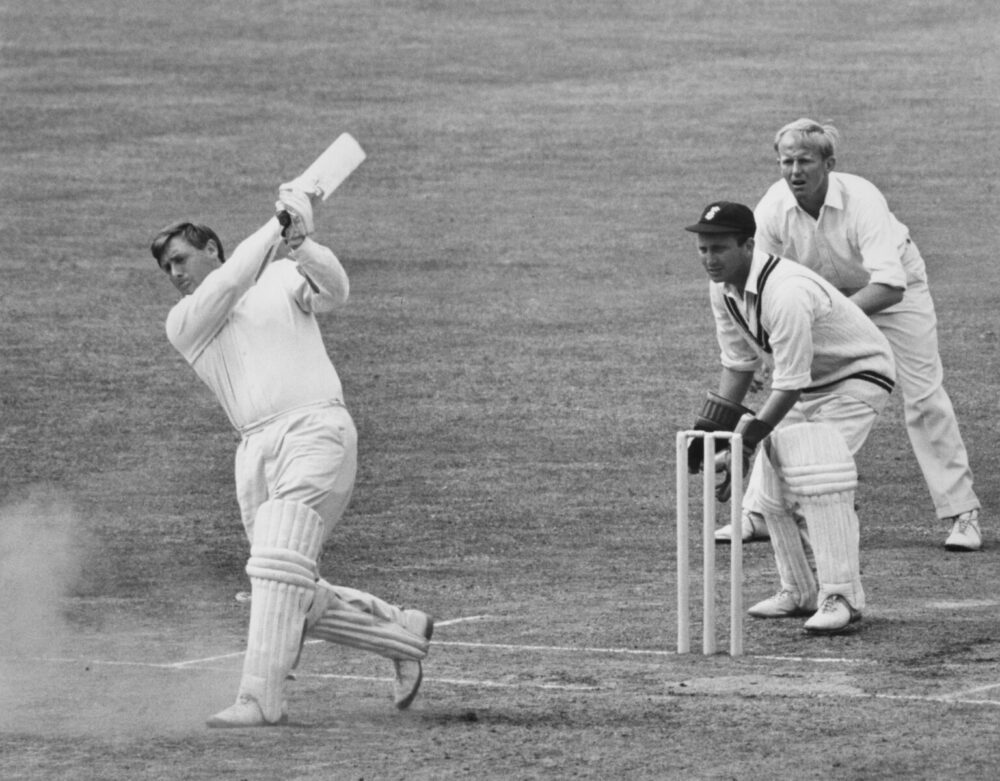
Shining above anyone else was all-rounder Stewart Storey, whose medium-pace earned 103 wickets and added to his 1,013 runs – the first Surrey player to do the double since Freddie Brown in 1932. He will almost certainly be the last, given reductions in the Championship programme since then.
John Edrich, ignored for all but one Test, was the outstanding run-scorer with 1,913 but support was variable. Barrington suffered what Wisden described as a “breakdown in health” in mid-season, dropping out of the England side after two Tests. He returned later in the season to finish with 928 at 40 apiece, the normally prolific Stewart returning 928 at 23 after a woeful first half of the campaign.
Taking his opportunity, Mike Edwards moved up from the middle-order to partner Edrich, finishing with 1,033 at 30.
Worcestershire had gone into the season aiming to win a hat-trick of titles but they finished second to Yorkshire, who were embarking on the first leg of their own treble, the New Road side also disappointed by losing the Gillette Cup final to neighbours Warwickshire.
It would be another five years before Stewart’s team finally returned to the summit of the Championship.
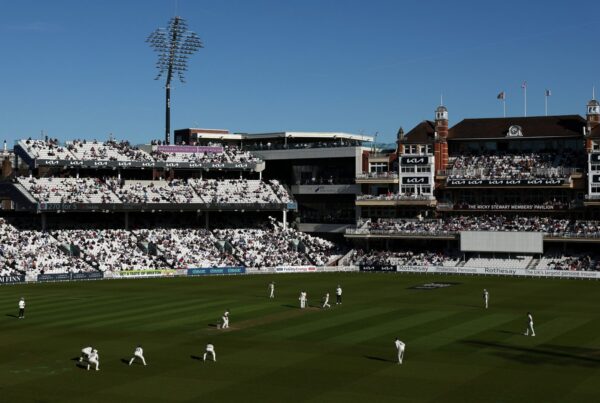
Surrey unveiled a scheme to build 400-500 flats plus nine shops at the Vauxhall end, with terraced seating for 22,000 spectators, eating into the massive boundaries. They were attempting to update a ground which had barely changed since being patched up after the Second World War. But like several schemes of that era, it came to nothing.
Oval Test
They thought it was all over – but it wasn’t quite.
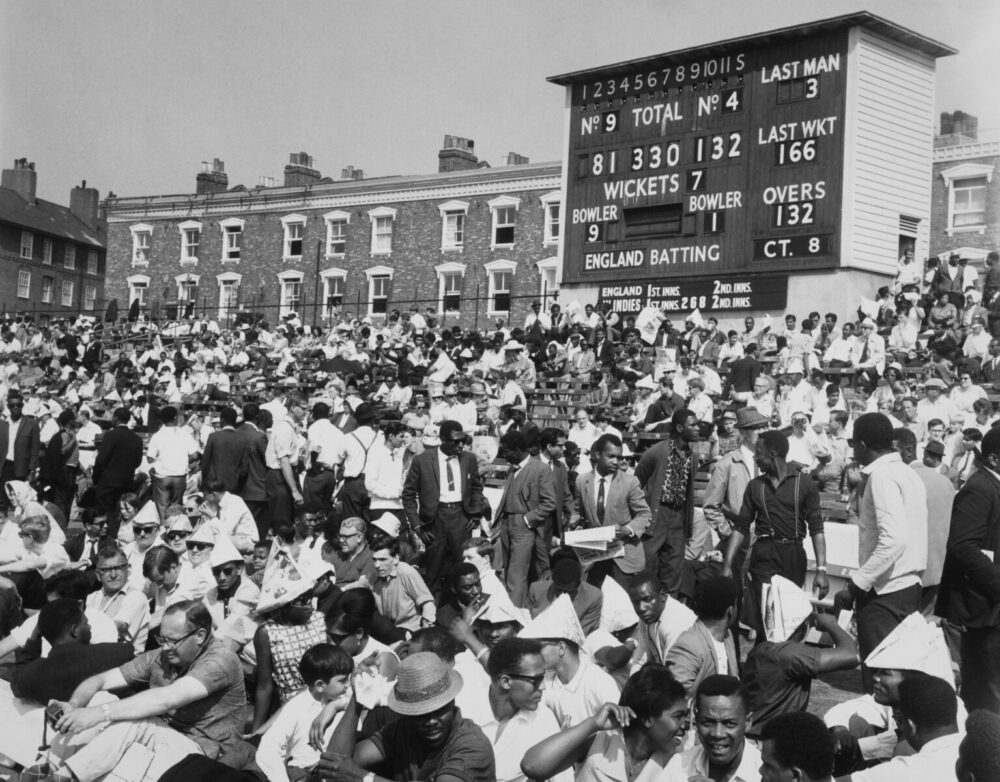
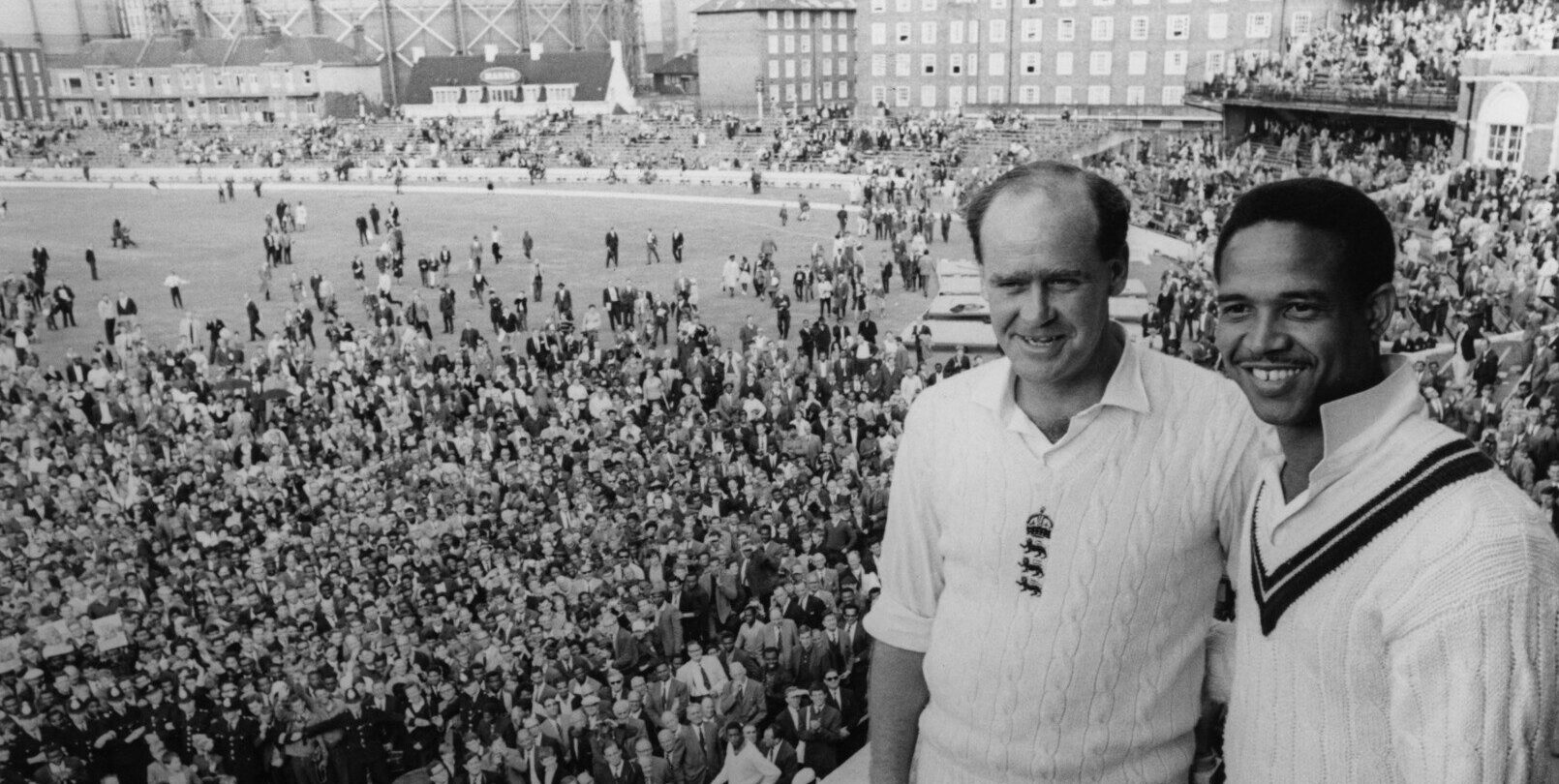
Cricket was always likely to take second billing to the World Cup and coming up against a mighty West Indies team dominated by its captain, Garry Sobers, looked a tough task for England after returning from a winter in Australia where they had failed to recapture the Ashes, albeit in a creditable 1-1 draw.
But even if the visitors did not quite have the power of their predecessors three years earlier, they were too good for England. Victory by an innings and 40 runs at Old Trafford was completed in three days – off-spinner Lance Gibbs taking 10 wickets – which cost England skipper MJK Smith his job. With Colin Cowdrey taking over, a draw at Lord’s was creditable, helped by the recall of Tom Graveney after three years in the wilderness. One of the game’s great stylists, he had just turned 39 but made a superb 96 in the first innings while Colin Milburn’s century in the second – his debut had come in Manchester – ensured the hosts were safe.
A Graveney century could not save England from going down by 139 runs at Trent Bridge and then nearly a month later – while the World Cup was played – West Indies sewed up the series and secured the Wisden Trophy through another success by an innings.
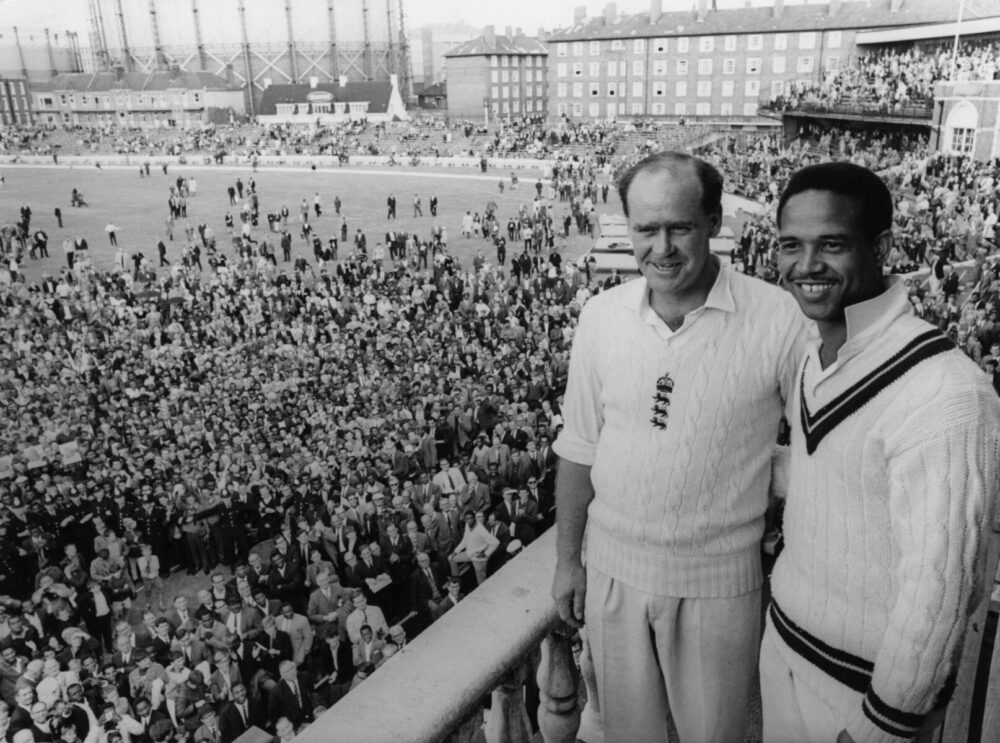
England’s selectors took radical action for the final Test at The Oval, making six changes which included sacking Cowdrey and recalling Brian Close, out of the side for three years but now leading Yorkshire to the Championship. Dropped alongside Cowdrey were Milburn, Jim Parks, Fred Titmus and Derek Underwood.
John Snow was only saved by John Price suffering an injury – a stroke of luck the Sussex paceman reckoned was one of the great sliding doors moments of his career – and finding Close, John Edrich, debutant Dennis Amiss, Ray Illingworth and John Murray alongside him.
It might have been a radically different side but England still found themselves being frustrated when they spotted a chance of success. Rohan Kanhai’s 104 led West Indies from trouble at 74-4 as he put on 122 with Sobers, whose 81 took him to 722 runs for the series – more than 200 ahead of anyone else. Bob Barber’s leg-spin had been gainfully employed by Close to take 3-49 in a final total of 268 but against the pace of Hall and Sobers the home side slipped to 166-7 and another sizeable deficit loomed.
But Graveney was still there, batting in his autumnal glory and now he was joined by Murray, who – as so often – had seen Parks, an inferior keeper, preferred to him through the summer because the selectors felt he would score more runs.
The pair stayed together through the rest of day two, Murray matching his colleague for panache, Graveney going beyond his second century of the series to make 165 and the Middlesex keeper reaching 112, the first and only one of his Test career. By the time they were parted, at 383, England were well in front. But now, in front of another capacity crowd who relished the heatwave of an otherwise disappointing summer, tailenders Snow and Ken Higgs kept Hall, Sobers, Gibbs and Charlie Griffith out in the middle for even longer as they each scored a maiden first-class half-century and put on 128 – two short of the record for the 10th wicket in Tests.
It ensured a mighty 361 had been added for the final three wickets in a final total of 527, Snow quickly removing the openers in the second innings. West Indies were 135-4 overnight, giving England the opportunity to enjoy a rest day like few others, but Sobers was still to come.
Could the tourists turn it round again? That was answered inside the opening minutes and in successive deliveries. First David Holford was run out and then – to a gasp from the crowd – Snow’s deliberate short ball into the ribs of Sobers saw the West Indies skipper attempting to hook, his opposite number Close pouching a catch at short-leg and relishing a ploy which had worked to perfection.
Only Seymour Nurse’s 70, taking him to 501 for the series, delayed the hosts but they wrapped up their opponents for 225 just after lunch. If England had been well beaten overall, they had something to celebrate at last.
What else happened in 1966?
The World Cup was always going to dominate the summer but there was embarrassment when the Jules Rimet Trophy was stolen. It was missing for seven days before it was sniffed out, wrapped in a newspaper, in a south London garden.
Managed by Alf Ramsey, England won two of their group matches before a stormy 1-0 victory over Argentina. That put them into the semi-finals, where Portugal were beaten 2-1.
West Germany, having seen off the Soviet Union in the last four, went ahead on 12 minutes but Geoff Hurst levelled six minutes later and Martin Peters sent them ahead on 78. The Germans levelled just moments from the final whistle, forcing extra time, Ramsey telling his men “you’ve won it once, now you’ll have to go out there to win it again.”
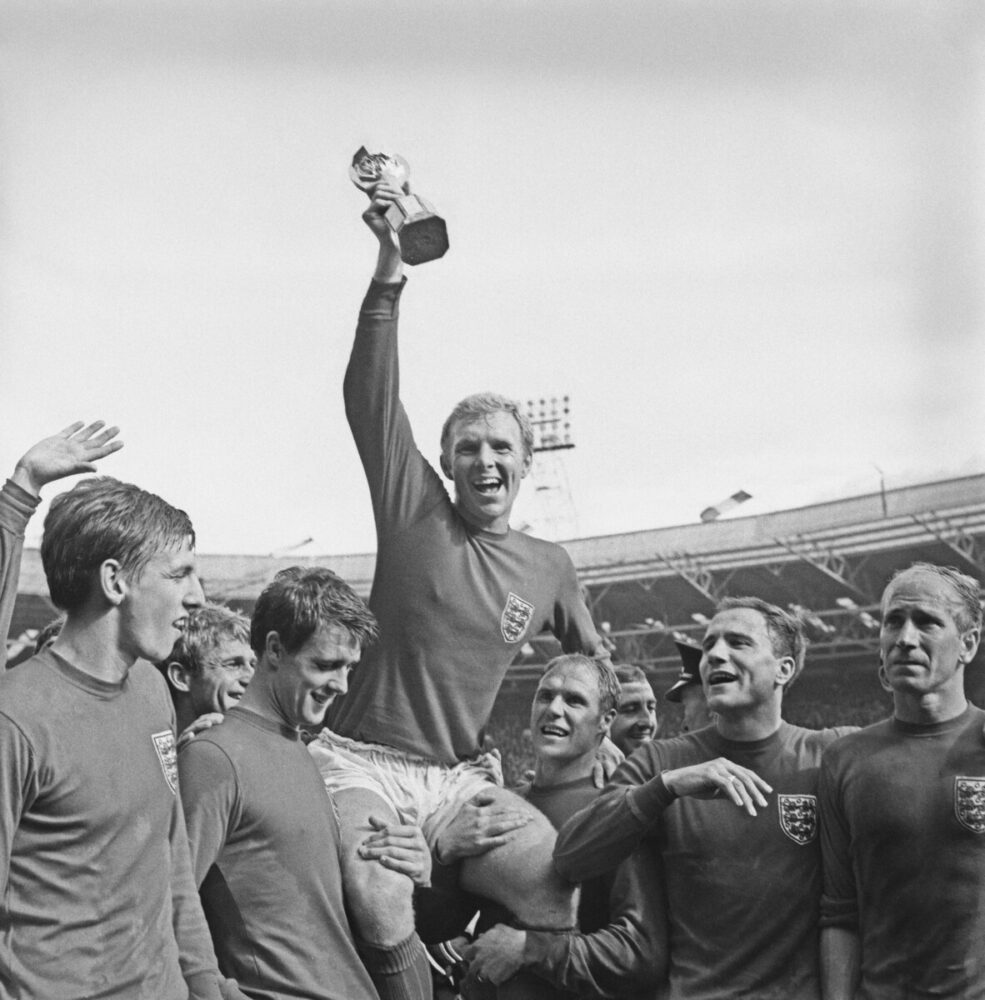
They did just that, Hurst striking for the second time with a controversial goal which even now evokes debate about whether it went over the line, wrapping up victory by completing his hat-trick. Skipper Bobby Moore received the Jules Rimet Trophy from Her Majesty The Queen.
The United Kingdom’s second general election in three years saw Labour Prime Minister Harold Wilson extend his party’s slender majority of four seats to a far more comfortable 96.
The state opening of Parliament was televised for the first time.
Britain’s first credit card, the Barclaycard, was introduced by Barclays Bank.
New to TV were ITN’s News at Ten and children’s series Camberwick Green.
The Beatles played their last conventional live concert at the Empire Pool in Wembley, alongside the Rolling Stones and The Who.
Liverpool won the Football League Championship title for the second time in three seasons, led by manager Bill Shankly, but were beaten by Borussia Dortmund in the European Cup Winners Cup final.
Everton ensured a Merseyside monopoly by beating Sheffield Wednesday in the FA Cup final, starting the following season by signing England World Cup hero Alan Ball for a record English fee of £110,000.
Mexican Manuel Santana won the All-England Championships men’s title at Wimbledon, beating American Dennis Ralston 6-4 11-9 6-4. Billie Jean King (USA) overcame Brazilian Maria Bueno 6-3 3-6 6-1 to claim the women’s event.
Wales won rugby union’s Five Nations Championships, three victories out of four seeing them finish a point ahead of France and Scotland. England were bottom.
Jack Nicklaus won the Open Championship for the first time, completing his first grand slam. The American finished one shot ahead of Doug Sanders and Dave Thomas, describing Muirfield as “the best course in the world”.
Briton Jack Brabhham won the Formula 1 drivers’ championship for the third and final time in his Brabham-Repco, which included claiming the British Grand Prix at Silverstone.