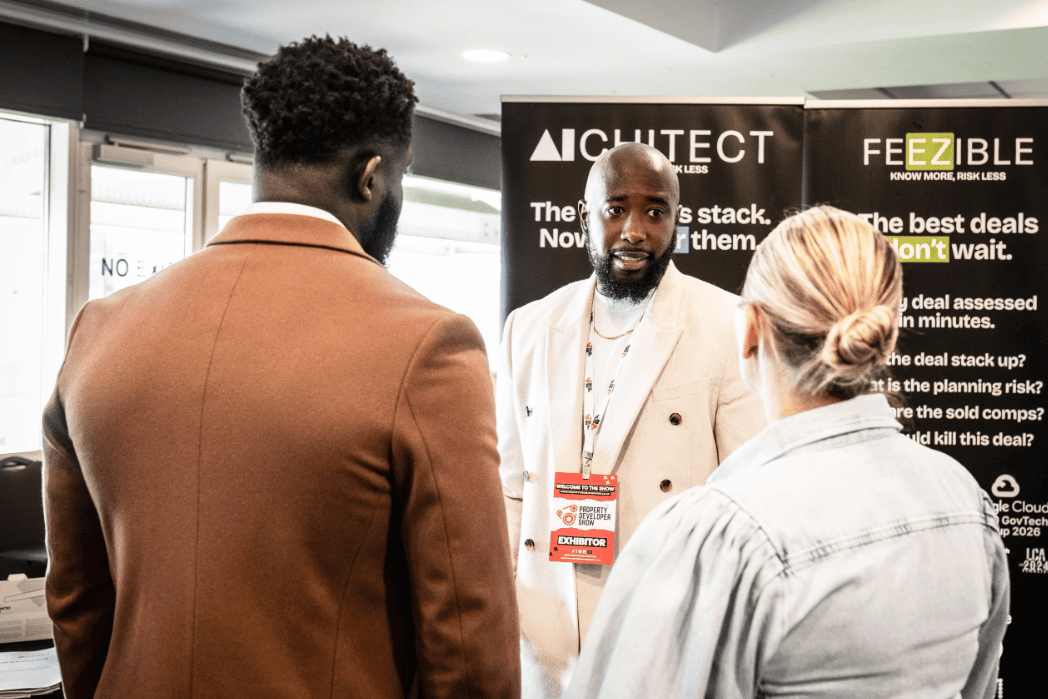
A product launch event should help people understand what your product does, who it is for and why it matters. A memorable reveal can support that goal, but the experience needs more than a dramatic moment. Guests should leave with clear answers and an easy next step.
Start by setting product launch event objectives
Choose the outcome before the format
The first step in setting product launch event objectives is deciding what the gathering needs to achieve. Choose a primary goal and keep supporting goals to a minimum.
Define what progress would look like. For a learning-focused launch, ask guests whether they can explain the product’s main use.
Avoid treating attendance alone as proof of success. A busy room tells you that people came, not whether the experience changed their understanding. Connect every planned activity to your product launch event objectives and remove anything that adds noise without a clear purpose.
Decide who needs to be there
Build the guest list around the people the product is meant to help. Customers, partners and internal colleagues may need different information. Decide whether one shared programme can serve them or whether focused conversations would be more useful.
If you are exploring how to plan a corporate product launch event, agree early who can approve the message, speak for the business and answer detailed questions. Make sure everyone understands what is available now and what remains a future ambition.
Create a message people can understand
Explain the problem before the features
Describe the challenge in language your audience already uses. Then show how the product responds to it. Explain any unfamiliar terms and avoid assuming that guests know your business.
A useful message answers a few simple questions: Who is this for? What does it help them do? How does it work in a realistic situation? What should someone do if they want to learn more?
When considering how to plan a product launch event, use those questions to shape the programme. A demonstration, conversation or short presentation should make the story clearer rather than repeat the same claims in a different form.
Check every claim before it reaches the stage
Prepare answers to likely questions, including limitations. Honest answers can be more useful than a polished response that avoids the issue. Give speakers a route for handling questions they cannot answer on the day.
Build an event planning budget around the essentials
Protects the parts that support your goal
Your event planning budget should reflect what attendees need to see, hear and do. Map the requirements for the venue, catering, accessibility, guest communication and follow-up. Assign a person to maintain the plan and approve changes.
Include a reserve for unexpected needs and review the full commitment before agreeing to new elements. Keep the discussion focused on the experience and the purpose, not on adding features simply because another launch used them.
Choose what to simplify
If resources become stretched, protect clear communication and ensure a welcoming guest experience. Consider simplifying decorative extras or shortening a programme that has become difficult to deliver.
Keep the event planning budget visible to the people making decisions. A shared view helps the team understand the effect of late changes and avoid duplicating work.

Choose a product launch venue that fits the experience
Plan around the guest journey
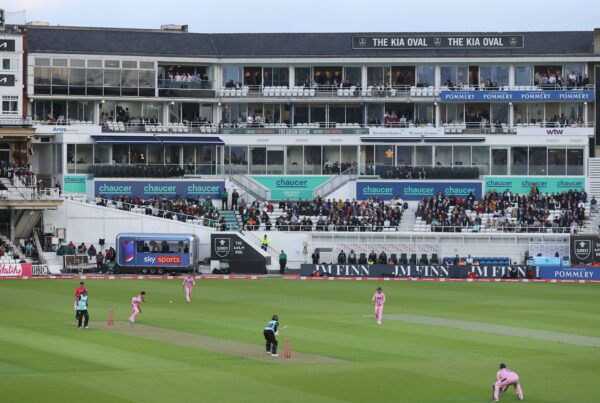
Before choosing a product launch venue, map what happens from arrival to departure. Guests may need a welcome area, a shared presentation space and somewhere to explore the product or speak with specialists. Explore the rooms and event spaces at the Kia Oval to start building your shortlist.
Ask about access, transport, sound, sightlines and the practical requirements of your demonstration. Confirm what the venue permits and what support is available. Make sure guests can participate comfortably, including anyone who needs an alternative way to access information.
Check the space against the product
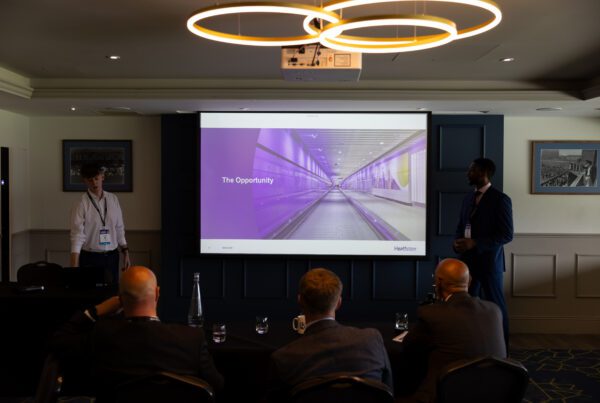
A product launch venue should support the demonstration rather than compete with it. Check that guests can see important details, hear explanations and ask questions.
At the Kia Oval, compare the 175 Suite and Duchy Suite against your planned layout and guest journey. For a showcase with exhibition stands or larger installations, explore the Jardine Suite and discuss your setup requirements with the events team.
Rehearse the guest journey as well as the presentation. An impressive reveal can still leave people frustrated if they cannot reach the demonstration area or find someone to answer a question.
Choose product launch event ideas with a clear role
Make the demonstration useful
Start your list of launch event ideas with the product’s main use. Show a recognisable challenge, demonstrate the response and explain the result without exaggeration. Give guests enough context to understand what they are seeing. If your launch centres on displays and discovery areas, explore the Kia Oval’s exhibition spaces as part of your venue research.
Consider these illustrative product launch event ideas:
- A guided demonstration: walk through one realistic task and explain each important choice.
- A supported discovery area: let guests explore suitable features with a knowledgeable host available.
- A specialist conversation: invite a product expert to answer questions gathered before and during the event.
- A scenario discussion: ask attendees where the product might fit into their work, then explore the practical considerations.
- A feedback station: collect questions and observations through a short, clearly explained activity.
When reviewing successful product launch event ideas, judge them against your audience and objectives rather than copying the spectacle. An activity is useful if it improves understanding, prompts questions or helps someone take the next step.
Build a programme with room for conversation
A simple running order might include arrival, a short welcome, the product story, a focused demonstration and questions. Treat this as an illustrative structure, not a fixed formula. For a presentation-led launch, review the Kia Oval’s conference venues and rooms against your programme requirements.
Balance the launch event ideas across the programme. Avoid repeating the same presentation at every station. Give each part a distinct role and leave enough time for guests to explore.
The most useful tips for a successful product launch event are practical: brief the hosts, keep the message consistent and leave time for questions. A clear experience is more valuable than a crowded schedule.
How to promote a product launch event
Tell guests why attending will be worthwhile
When promoting a product launch event, explain who it is for and what attendees will learn or experience. Include the date, location and access information. Keep the invitation focused on the audience rather than making broad claims about the business.
Choose communication channels that suit your intended guests and plan reminders that add useful information instead of repeating the same message.
Make the invitation match the experience
Keep promotion of a product launch event grounded in what will happen. Do not promise unrestricted hands-on access if the demonstration will be guided, or individual advice if the programme cannot support it.
Prepare approved information for journalists and partners, including clear product descriptions and an appropriate contact. Coordinate announcements so invited guests and the wider audience receive consistent facts.


Use a product launch event checklist
Before guest arrive
Keep your product launch event checklist in one shared place. Give each task an owner and a deadline, then review outstanding decisions regularly. For a broader planning reference, read our Ultimate Guide to Hosting a Corporate Event.
- Confirm the audience, purpose and measures of success.
- Approve the product story, demonstration and supporting claims.
- Confirm venue arrangements, accessibility and guest information.
- Assign responsibility for speakers, registration, demonstrations and questions.
- Rehearse the programme and prepare an alternative demonstration.
- Check invitations, registration messages and approved communications.
- Agree how feedback and follow-up requests will be recorded.
- Prepare a response plan for delays or last-minute changes.
Use the product launch event checklist to expose gaps. Ask whether the team can explain what will happen if a speaker is late or the demonstration is interrupted.
Give everyone a clear role on the day
A key part of learning how to execute a product launch is knowing who can make decisions. Name an event lead and make sure hosts know how to request help. Keep the running order, contact details and approved messages easy to find.
Rehearse handovers between speakers and demonstration hosts. Check that each person knows their cue and what comes next. Brief the team on how to respond to an unanswered question without guessing.
Connect the event to the wider launch
Coordinate internal teams
If you are deciding how to plan a corporate product launch event, involve the colleagues who will support customers afterwards. The event message should match the information people receive from sales and other approved channels.
Product launch event planning should also cover what happens after the reveal. Make sure guests can take the next step you promised, whether that’s speaking to your team or requesting a demonstration.
Knowing how to execute a product launch means connecting these details, not simply delivering the stage programme. Avoid creating interest that the business is not prepared to handle.
Plan follow-up before the event
Explain why you are collecting contact details and how guests can request further information. Use approved processes and respect their communication choices. Record enough context to make follow-up relevant without gathering information you do not need.
Send a useful recap promptly. Include approved information, answers to recurring questions and the next step guests requested. Keep follow-up focused on their interests rather than sending every attendee the same broad sales message.
Review what the launch achieved
Look beyond the room’s atmosphere
Return to the measures agreed when setting product launch event objectives. Review what attendees understood, the questions they raised and the actions they chose to take. If you track later business outcomes, be careful about claiming the event alone caused them.
Ask the team what worked, where the experience became confusing and which product launch event ideas helped guests most. Separate observations from assumptions and use the findings to improve the next plan.
Give the launch a clear next step
Understanding how to plan a product launch event starts with a focused purpose and ends with useful follow-through. Keep the product story clear, choose a suitable setting and give people space to explore.
Use this product launch event planning guide to connect each decision to the audience. Thoughtful product launch event planning should make the experience easier to understand, not more complicated.
Keep your successful product launch event tips simple: prepare the people, test the experience and deliver what the invitation promised. A well-run launch gives guests a clear understanding of the product and a practical way to continue the conversation.
Planning a successful event or product launch? Explore the iconic rooms at the Kia Oval and get in touch with our team today.